How to Declare Bankruptcies in Canada
How to Declare Bankruptcy in Canada
No one wants to imagine themselves in such dire financial straits that bankruptcy is the only answer. But for many Canadians, bankruptcy is the best way toward a brighter financial future. While the prospect may seem overwhelming, understanding the process can help you navigate it with a bit more confidence. Here’s what you need to know about how to claim bankruptcies in British Columbia before starting your filing.
How Does Bankruptcy Work in Canada?
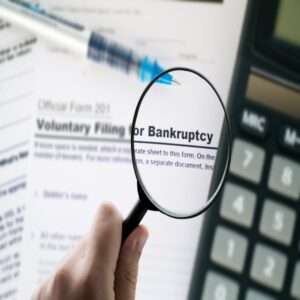 Understanding how bankruptcy works is the first step toward a successful filing. Essentially, bankruptcy serves as a last resort for individuals and businesses that can no longer meet their financial obligations. It’s designed to provide relief when debt becomes unmanageable and other options have not worked.
The process means surrendering most of your assets to a Licensed Insolvency Trustee, who then distributes the proceeds to your creditors. In exchange, you have legal protection from any collection actions, and creditors can no longer harass you for payment. Eventually, bankruptcy leads to the discharge of most debts.
Know the Types of Bankruptcy
Bankruptcy doesn’t look the same for everyone. Depending on your circumstances, you may benefit most from one of the following:
- Personal Bankruptcy—If you’re struggling to pay personal debts, this type of bankruptcy could be the right choice for you. The minimum debt threshold for personal bankruptcy is $1,000, though most people considering this option carry significantly more debt.
- Corporate Bankruptcy—Businesses can also file for bankruptcy. If your company is unable to make ends meet and debt is mounting, this option provides a way to get your operations back on track. Keep in mind that corporate bankruptcy often involves asset liquidation and has specific provisions for business partners and shareholders.
- Consumer Proposals—A Consumer Proposal is often an attractive alternative to bankruptcy. This solution allows you to negotiate reduced payment terms with creditors while avoiding the full consequences of bankruptcy.
Am I Eligible for Bankruptcy?
Not everyone qualifies for personal bankruptcy. To be eligible for this filing, you must owe at least $1,000 and be unable to pay your debts on schedule. Additionally, your total debts must exceed the value of your assets. There’s also a residency requirement—you must have lived in Canada for at least one year, own property here, or have carried on business in the country within the past year.
What Kinds of Debts Can Be Discharged With Bankruptcy?
Most unsecured debts can be eliminated through bankruptcy. That means after filing, you will no longer be on the hook for credit card balances, personal loans, lines of credit, medical bills, utility bills, and payday loans. However, some obligations remain even after bankruptcy discharge. You may still need to pay debt from the following:
- Secured debts (mortgages, car loans) if you want to keep the asset
- Court-ordered fines and penalties
- Child support payments
- Student loans (if you’ve been out of school for less than seven years)
- Debts resulting from fraud
Six Steps to Declaring Bankruptcy in Canada
Declaring bankruptcy is a complex legal process that involves multiple steps. While bankruptcy gets complicated quickly, here’s a brief overview of what to expect:
1. Consult With a Licensed Insolvency Trustee
Your first step is to meet with a Licensed Insolvency Trustee. Only these professionals can administer bankruptcy proceedings in Canada. During this initial consultation, your Trustee will review your financial situation, explain your options, and discuss the costs and consequences of bankruptcy. In some cases, you may be able to find a solution that doesn’t involve declaring bankruptcy.
2. Gather the Required Documentation
Declaring bankruptcy requires lots of paperwork. Before filing, you’ll need to gather all the relevant financial information, including:
- Income statements and tax returns
- Bank statements
- Credit card statements and loan agreements
- Asset valuations
- A list of all creditors and amounts owed
- Monthly budget information
3. File Bankruptcy Documents
With all the appropriate documents in hand, your Licensed Insolvency Trustee will file the paperwork with the right office. This filing immediately triggers an automatic stay of proceedings, protecting you from creditor collection actions.
4. Meet With Your Creditors
Within a few weeks of filing, your creditors have the right to request a meeting to discuss the bankruptcy. While creditors don’t always call these meetings in personal bankruptcies, they’re more common in corporate cases.
5. Fulfill Mandatory Obligations
During the bankruptcy proceedings, you’ll be required to fulfill certain obligations, such as:
- Attend financial counselling sessions
- Provide monthly income and expense reports
- Surrender credit cards and non-exempt assets
- Inform the Trustee of any significant changes in your financial situation
- Make income surplus payments
6. Obtain Your Discharge
If you fulfill your obligations and all your paperwork is filed correctly, you can expect to receive your bankruptcy discharge after nine months. If you are filing for the second time, this process will take 21 months. Regardless, you can look forward to rebuilding your finances with those old debts taken care of.
What Are the Advantages and Disadvantages of Bankruptcy?
Bankruptcy comes with many advantages in both personal and business cases. On the positive side, bankruptcy provides you with an opportunity for a fresh financial start. It halts collection efforts, wage garnishments, and lawsuits through an automatic stay. Many people benefit from reduced stress and less pressure from creditors. However, understanding the disadvantages of bankruptcies is also crucial. Bankruptcy can have a lasting impact on your credit score, making it more challenging to obtain loans, mortgages, or credit cards in the future. It may also lead to the loss of certain non-exempt assets, as these could be sold to repay creditors. As you consider filing for bankruptcy, a Licensed Insolvency Trustee can help you weigh these factors and make an educated decision.
Are There Alternatives to Bankruptcy?
Bankruptcy isn’t the only solution to a sticky financial situation. Consumer Proposals are just one way you can reach a settlement with creditors for less than the full amount you owe. Talk to a Trustee about one of these strategies to manage your debt:
- Debt Consolidation—This solution combines multiple debts into a single payment with better terms. It can make repayment more manageable without formal insolvency proceedings.
- Credit Counselling—If you struggle to manage money and credit, working with a credit counselling agency could be the answer. These agencies help develop debt management plans and provide financial education to avoid future problems.
- Informal Negotiations—Sometimes, creditors will accept reduced payments or modified terms through direct negotiation, especially if bankruptcy appears likely otherwise.
The Light at the End of the Tunnel
While bankruptcy is a challenging time, both financially and personally, making the filing can be essential for long-term recovery. Many people emerge from bankruptcy with valuable lessons about money management and go on to achieve greater stability than they had before their financial crisis. J. Bottom & Associates is here to help. We work with clients across British Columbia, helping them file for bankruptcy and restore their financial well-being. Contact us today to start discussing your situation and find out how we can help.