
How Does Car Repossession Work?
How Does Car Repossession Work in Canada?
For many Canadians, a vehicle gets them to work, takes their kids to school, and keeps their household running. So, when financial difficulties strike and monthly payments become hard to manage, the fear of losing that vehicle can be overwhelming. If you’re currently missing payments or worried about falling behind, you’re likely asking yourself: What happens now, and how does car repossession work?
Understanding the rules of repossession is the first step in protecting yourself. While general rules apply nationwide, British Columbia has specific laws that offer unique protections for borrowers. Below, we’ll break down the repossession process, your rights in BC, and how insolvency proceedings might help you keep your keys.
What Happens if I Fall Behind on My Car Loan?
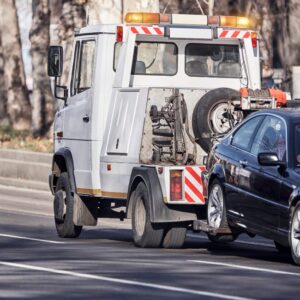 Most car loans in Canada are secured loans. This means the lender has a legal interest in the vehicle until the final penny is paid. The car itself acts as collateral. If you stop meeting your end of the contract (paying the monthly bill), the lender has the right to take back the collateral to recover its money.
Contrary to popular belief, there’s no standard waiting period mandated by law before a lender can act. Technically, depending on the terms of your contract, a lender could initiate repossession proceedings after a single missed payment. However, in practice, banks and dealerships prefer cash over cars. Repossession is expensive and logistically difficult for them. Typically, if you miss a payment, you’ll receive phone calls and letters reminding you to pay. If you miss two or three consecutive payments and fail to communicate with the lender, the risk of repossession increases significantly.
Types of Car Repossession
There are two primary ways a lender can take back a vehicle. They include:
- Voluntary Repossession – This occurs when you recognize that you can no longer afford the payments and choose to return the vehicle to the lender yourself. You simply hand over the keys and the car. Why would someone do this? It allows you to avoid the stress and embarrassment of a tow truck showing up at your home or workplace. A voluntary repossession can also reduce the costs associated with the process, such as bailiff fees and towing charges. However, even if you surrender the car voluntarily, it’ll still be reported as a repossession on your credit report.
- Involuntary Repossession – This is the scenario most people fear. If you default on your loan and don’t make arrangements with the lender, they can hire a bailiff to seize the car. In British Columbia, the bailiff generally doesn’t need a court order to take the car if it’s parked on public property. They can hook it up and drive away. However, they can’t breach the peace or enter a locked garage or secured private property without permission or a court order.
The Seize or Sue Rule: BC’s Unique Protection
If you live in British Columbia, it’s crucial to understand the seize or sue rule under the Personal Property Security Act (PPSA). This rule significantly impacts what happens after a car is taken and sets BC apart from many other provinces. For most consumer car loans (specifically, conditional sales contracts where the dealership financed the car or arranged the financing), the lender has a choice to make when you default. They can either seize the car to recover the debt or sue the borrower, leaving you with the car and suing you for the money owed. In BC, if the lender chooses to seize your vehicle, that usually extinguishes the debt. They can’t come after you for any remaining balance, even if the car is worth less than what you owe, though there are exceptions.
What Happens If Your Car Gets Repossessed?
Once the car is in the lender’s possession, they’ll typically prepare it for sale. This usually involves cleaning the vehicle and sending it to an auction. If you’re in a province that allows lenders to collect on shortfalls, the sale price matters. Auctions rarely fetch retail market value. For example, imagine you owe $20,000 on your truck. The lender repossesses it and sells it at auction for $12,000. In BC, the lender keeps the $12,000, and your debt is considered settled. You lose the car, but you’re free from the monthly payment and the remaining balance.
Is There a Way to Get My Car Back?
Getting a vehicle back after it’s been hooked by a tow truck is difficult. Usually, the lender will require you to pay the full past-due amount, plus all repossession costs, immediately. In some cases, they may demand the full payout of the entire loan balance. If you want to redeem the vehicle, you must act fast before it’s sent to auction.
How Will a Car Repossession Affect My Credit Score?
Regardless of whether the repossession was voluntary or involuntary, the impact on your credit is severe. Lenders report payment history to Canada’s credit bureaus (Equifax and TransUnion). A repossession is typically noted as an R8 rating on your credit report. This is the second-worst rating possible, sitting just above bankruptcy.
An R8 mark indicates that you defaulted on a secured loan and that the asset was seized. The record can remain on your credit history for up to seven years from the date of the first missed payment that led to the default. During this time, obtaining new credit will be challenging. If you’re approved for a future car loan, you’ll likely face much higher interest rates, as lenders will view you as a higher-risk borrower.
Protect Your Finances and Your Car in BC
Facing the loss of a vehicle is stressful, but knowing how car repossession works is essential for protecting your finances. If you’re in New Westminster, Port Coquitlam, or North Vancouver, check your loan agreement to see if you’re protected by the seize or sue provision. If you know you can no longer afford the vehicle, voluntary surrender might be the fastest way to resolve the debt in BC. Open communication with your lender is your best defence if you’re trying to save the car. If they refuse to negotiate, speaking with an attorney at J. Bottom & Associates Ltd. can help you understand if a consumer proposal is the right tool to stabilize your finances and keep you on the road.